Science Behind the Tools
Every technique in Soothe is grounded in clinical psychology and neuroscience research. Explore the evidence behind each calming tool and understand why these methods work.

The Science of Paced Breathing
Paced breathing, also called slow diaphragmatic breathing, is one of the most well-studied anxiety reduction techniques in clinical psychology and neuroscience. By deliberately slowing your breathing rate to approximately 6 breaths per minute, you activate the parasympathetic nervous system through the vagus nerve, shifting your body from a state of fight-or-flight arousal to calm and recovery.
The Science of Sensory Grounding
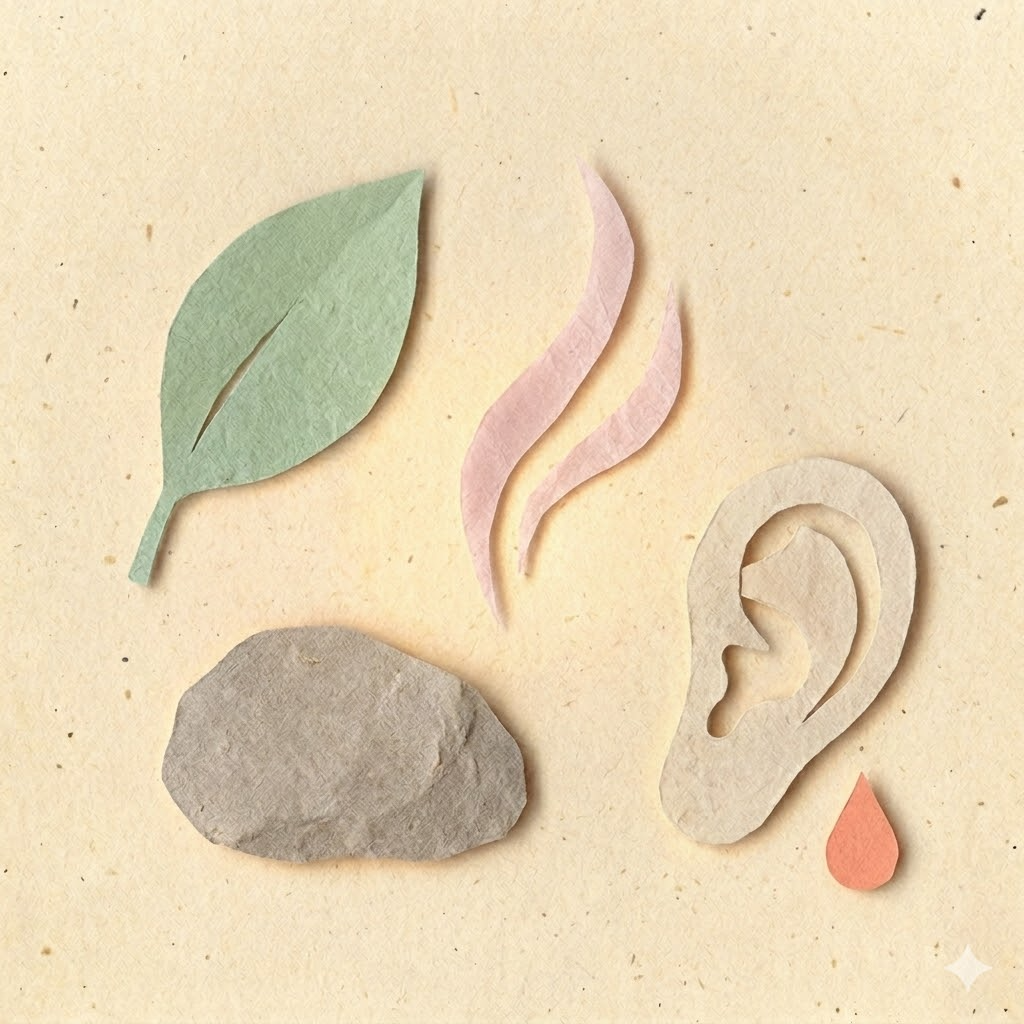
The 5-4-3-2-1 grounding technique is rooted in principles of mindfulness and sensory awareness. By systematically directing attention to each of the five senses, the exercise anchors you in the present moment and interrupts the cognitive patterns that sustain anxiety, panic, and dissociation. It is widely used in trauma-informed care and cognitive behavioral therapy.
The Science of Progressive Muscle Relaxation
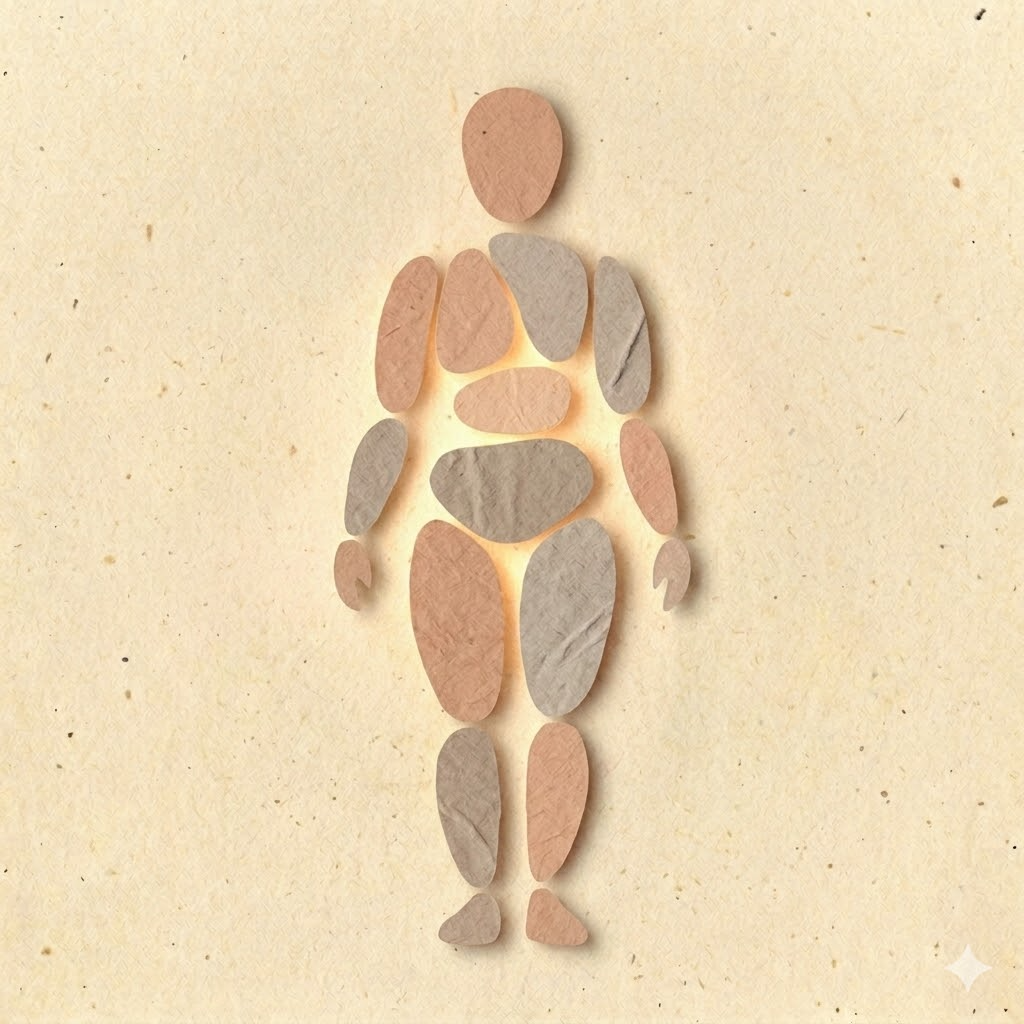
Progressive Muscle Relaxation (PMR) was developed by physician Edmund Jacobson in the 1930s based on his observation that muscle tension accompanies anxiety. The technique involves systematically tensing and then releasing different muscle groups, training the body to recognize and release physical tension. Decades of research have established PMR as one of the most effective relaxation techniques available.

The Science of the Dive Reflex
The cold splash technique leverages the mammalian dive reflex, an involuntary physiological response triggered when cold water contacts the face. This reflex, shared across all air-breathing vertebrates, rapidly slows heart rate and redirects blood flow to vital organs. In clinical settings, it is part of the TIPP skills in Dialectical Behavior Therapy (DBT), specifically designed to reduce extreme emotional arousal quickly.

The Science of Distanced Self-Talk
Distanced self-talk is a cognitive strategy where you refer to yourself using your own name or second/third-person pronouns ("you" or "he/she") instead of "I" when thinking about stressful situations. Research by psychologist Ethan Kross and colleagues has shown that this simple linguistic shift creates psychological distance from distressing experiences, enabling more effective emotion regulation without the cognitive effort required by traditional reappraisal strategies.

The Science of Yoga Nidra
Yoga Nidra, meaning "yogic sleep," is a guided meditation practice that systematically leads you through stages of deep relaxation while maintaining conscious awareness. Often referred to in neuroscience as Non-Sleep Deep Rest (NSDR), it induces brain wave patterns similar to the transition between waking and sleeping. Research shows it can reduce stress, improve sleep quality, and enhance cognitive function.

Gratitude Meditation
Gratitude meditation is a guided reflective practice that shifts your attention from anxiety and worry toward appreciation and positive experiences. By deliberately focusing on things you are grateful for, the practice activates neural pathways associated with positive emotion, social connection, and well-being. While research specific to gratitude meditation as an anxiety intervention is still emerging, a growing body of evidence supports the mental health benefits of gratitude-based practices.